Inspection: The Missing Connection in Electrical Safety
May’s National Electrical Safety Month is a reminder that training and PPE alone do not keep workers safe. While NFPA 70E training, equipment, and arc flash studies are essential, they only set expectations. NFPA 70E requires regular program audits and annual field work inspections to verify work is performed as intended. Inspections reveal the gap between procedures and real-world practices, where risk exists. When leadership consistently inspects electrical work and acts on findings, safety expectations become reality.
- Construction
- Electrical
- Inspection
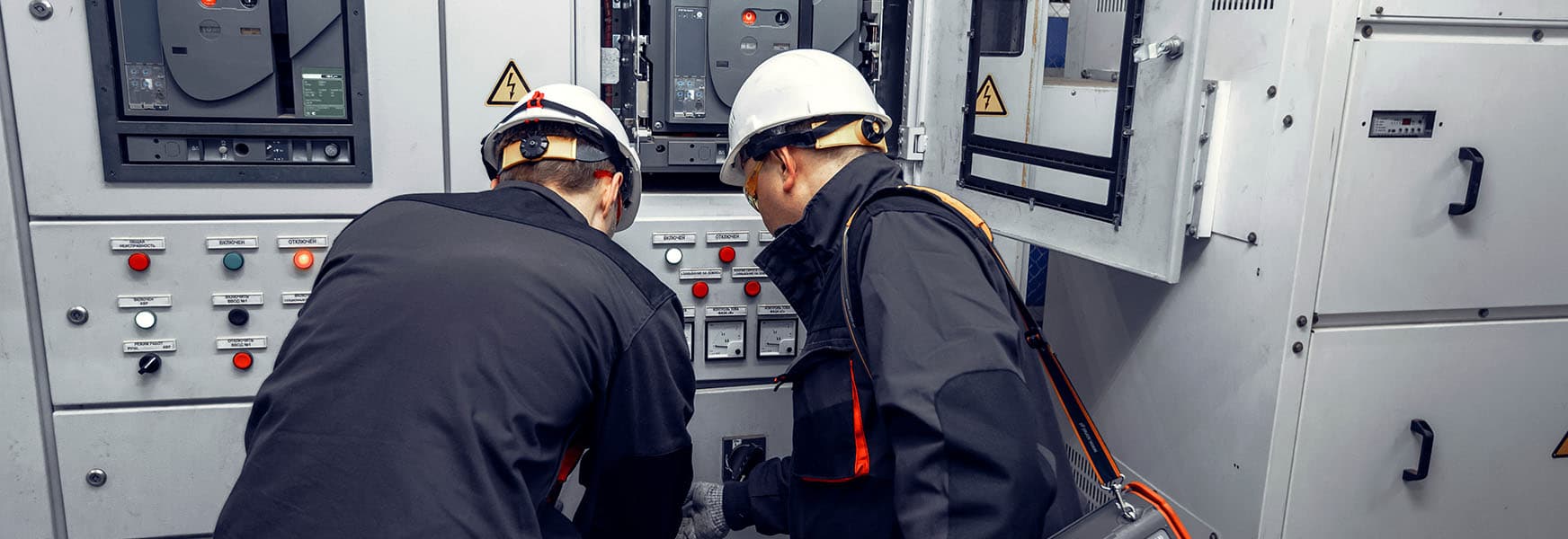

May is National Electrical Safety Month which is the perfect time to review the hazards of working with electricity and what your workplace can do to prevent injuries.
Most employers who oversee electrical work believe they are doing the right things. They train employees on NFPA 70E requirements, provide arc-rated PPE, proper tools, and testing equipment. Facility owners may even commission an arc flash study to better understand incident energy and labeling requirements.
These are all critical steps, and they matter. But too often, once training is complete and equipment is issued, management assumes the hardest part is over.
It is not. Those efforts establish a solid foundation for an electrical safety program. What determines whether that program actually protects workers is what management does next. That responsibility is inspection.
Inspection Is a Requirement, Not a Recommendation
NFPA 70E makes it clear that electrical safety programs must be audited. Section 110.3 requires employers to audit their electrical safety program at least every three years and to audit electrical field work at least annually. These audits must be documented.
The intent of the program audit is to verify that company policies and procedures continue to meet the requirements of NFPA 70E and other applicable standards. This aligns with the three-year revision cycle of the standard itself.
The field work audit places a critical obligation on management and where many organizations fall short. It requires employers to verify that electrical work is being performed in accordance with training, procedures, and risk assessments.
The Gap Where Risk Lives
Most electrical safety programs are built around “work-as-imagined”. Policies, procedures, training, and permits all describe how work should be done.
Actual field work rarely unfolds exactly that way. Time pressure, access issues, environmental conditions, customer expectations, and equipment availability all influence how work is performed. In other words, “work-as-done”. The gap between these two realities is where risk lives.
Field inspections allow management to see that gap. They reveal where procedures are unclear or impractical, where shortcuts are becoming normalized, and where workers are making risk-based decisions management never intended them to make.
Without inspections, leadership is relying on assumptions. With inspections, leadership has accurate and actionable information.
Where to Start with Electrical Safety Inspections
Effective inspections do not need to be complicated. Start by clearly defining expectations through documented policies and procedures aligned with NFPA 70E. Focus inspections on high-risk controls such as lockout and tagout, voltage verification, energized work permits, job briefings, and PPE selection.
Observe real work as it happens, not staged demonstrations. Engage employees in conversation and ask what makes the job difficult to perform safely. Document findings, look for trends, and most importantly, close the loop by addressing gaps and communicating improvements.
What Leadership Inspects Becomes Reality
Electrical safety is not sustained by training alone. It is sustained by what leadership consistently pays attention to.
When management actively inspects electrical work and uses what they learn to improve the system, expectations become reality. Workers do not do what you expect. They do what you inspect.
MEMIC Policyholders have access to our NFPA 70e Compliance Checklist through our Safety Director website.
More for You
Recent Blog Posts
Preventing Injury from Heavy Equipment in Many Industries
Anna Hooper, Safety Management Consultant, CSP, WCP®
October 14
- Construction
- Logging and Forestry
- +1

Heavy equipment hazards are often associated with construction and excavation projects. However, many organizations outside of traditional construction industries regularly encounter heavy equipment exposures that can be overlooked.
Speaking Up for Safety During Hospitality Events
Zach Phelan, Loss Control Consultant II, GSP, WCP®
September 24

From lifting heavy equipment to navigating crowded event spaces, young hospitality workers face a variety of safety challenges during the busy fall event season. Discover practical ways employees and supervisors can work together to prevent injuries before they happen.
Reducing Slip, Trip, and Fall Risks in Schools
Jayson Hebert, Safety Management Consultant, WCP®
September 2
- Education and Schools
- Slips Trips and Falls
- +1

Very soon faculty, staff, and students will be returning to schools across the country as they prepare for another year of learning. Schools are busy environments where students, employees, and visitors are constantly on the move. And, while much attention is focused on student safety, the leading causes of workplace injuries for school employees continue to be slips, trips, and falls.
Stay Connected
Sign up and we'll keep you posted on upcoming events, news, and more.
- Expert Safety Advice
- Company News
- Community Impact Stories