The Critical Importance of Timely Claims Reporting
The importance of timely claims reporting in workers' compensation cannot be overstated. Early reporting leads to improved medical outcomes for injured workers, reduced claim costs, enhanced claims accuracy, faster claim resolution, improved employee trust, and safer workplaces. Employers should establish clear reporting policies, train supervisors, consider services like MEMIC's 24/7 Nurse Triage, track reporting timeliness, and identify workplace hazards. Prompt reporting is crucial for cost control, employee well-being, and overall risk management effectiveness.
- Injury Management
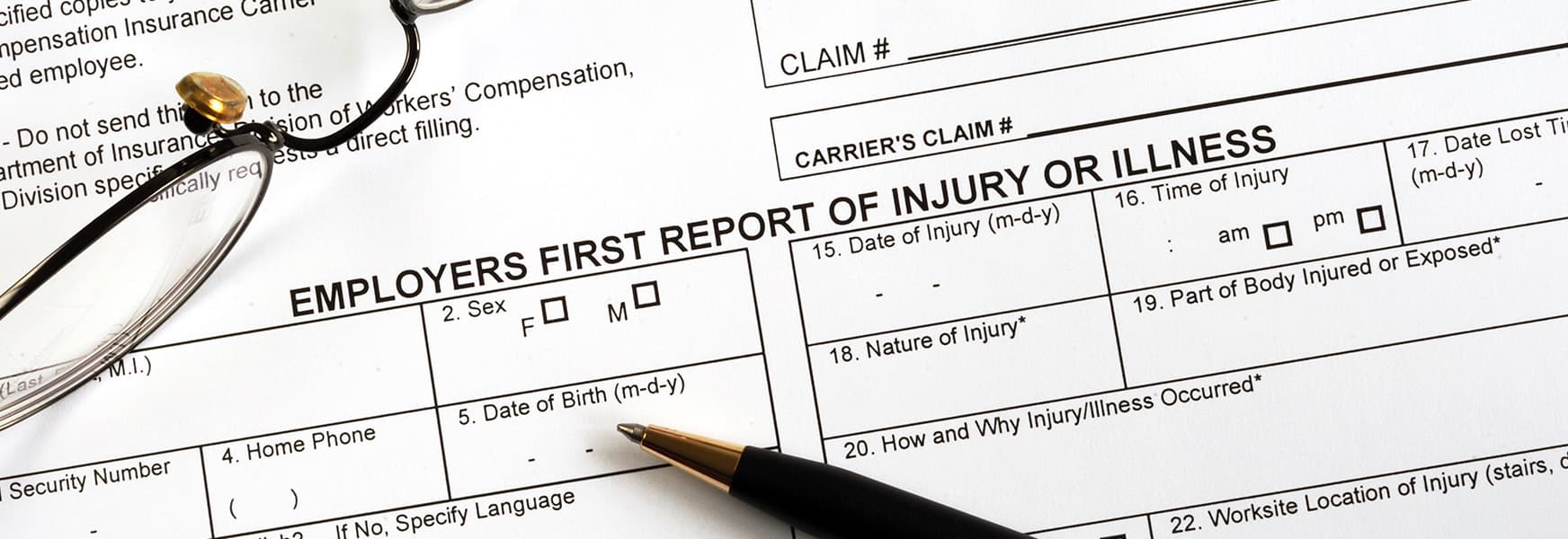

When it comes to managing workers' compensation claims, few actions carry more weight than timely reporting. From a financial perspective, early claim notification facilitates cost control, diminishes long-term liabilities, and sets the stage for positive medical outcomes. Operationally, it establishes the groundwork for efficient claim resolution, effective communication, and hazard mitigation. Delays in reporting not only escalate claim costs but also create impediments to effective communication and trust between employers, injured workers, and insurers.
Here’s why timely reporting should be a standard in your workplace risk management practices.
Improved Medical Outcomes for Injured Workers
Prompt claim notification enables injured workers to receive immediate medical evaluation and appropriate care, thereby reducing the incidence of complications or prolonged disability. The earlier an injury is reported, the more expedited medical triage can be conducted, resulting in improved outcomes and shorter return-to-work timelines.
MEMIC’s First Call 24/7 Injury Triage services, enabling injured workers to engage with a medical professional promptly following the incident. This not only expedites care but also supports immediate and accurate documentation of the occurrence to facilitate reporting.
Reduced Claim Costs
In a study conducted by The National Council on Compensation Insurance (NCCI) found that claims reported after seven days cost significantly more than those reported within the first 24 hours. Delays often result in costs associated with:
- Increased medical severity
- Higher attorney involvement
- Extended periods of lost time
- Reduced opportunities for light-duty accommodation
Information Integrity and Claim Accuracy
The longer an incident goes unreported, the harder it becomes to verify facts, interview witnesses, and gather evidence. Timely reporting helps prevent exaggeration or fraud by capturing real-time details and reducing the opportunity for post-event manipulation.
Faster Claim Resolution
Timely reporting facilitates prompt investigations by claim adjusters, efficient coordination of care, and prompt processing of benefit payments. This leads to streamlined claim management, reduced administrative overhead, and expedited claim resolution.
Improved Employee Trust and Engagement
When injuries are addressed promptly and professionally, employees are more likely to maintain their engagement, cooperation, and commitment to returning to work. Timely reporting of claims illustrates the employer's appreciation for the well-being and contributions of their employees.
Enhanced Workplace Safety
Immediately reporting injuries or near misses allows the employer to address hidden hazards and exposures, greatly reducing the potential for a similar incident to occur. The prompt correction of these exposures can help to foster trust and value between employers and their employees.
Best Practices for Employers
- Establish Clear Reporting Expectations: Ensure employees understand how, when, and to whom they should report an injury.
- Train Supervisors: Front-line managers must recognize and respond to injury reports promptly and follow all reporting procedures.
- Provide Easy Reporting Access: Identify and use the most convenient reporting methods including phone, email, and online to minimize delays, particularly during off shifts.
- Promote the use of MEMIC's First Call 24/7 Nurse Triage: Encourage employees and supervisors to utilize this service to initiate immediate medical assessment.
- Track and Audit Reporting Timeliness: Monitor your internal reporting lag time and use data to drive improvement.
- Identify and mitigate hazards and exposures: Conduct a timely post incident analysis of every workplace injury to identify and mitigate actionable root causes to prevent recurrence.
Final Word
Timely claims reporting is a frontline defense against rising costs, injured worker dissatisfaction, potential legal exposure, and hidden workplace hazards. It demonstrates a culture of care and accountability for both the management and employee teams. At MEMIC, we strongly encourage all policyholders to treat prompt reporting as an essential part of their risk management and claims handling process. Contact your claims or loss control representative for more information on developing your claim reporting and incident response process.
More for You
Recent Blog Posts
Preventing Injury from Heavy Equipment in Many Industries
Anna Hooper, Safety Management Consultant, CSP, WCP®
October 14
- Construction
- Logging and Forestry
- +1

Heavy equipment hazards are often associated with construction and excavation projects. However, many organizations outside of traditional construction industries regularly encounter heavy equipment exposures that can be overlooked.
Speaking Up for Safety During Hospitality Events
Zach Phelan, Loss Control Consultant II, GSP, WCP®
September 24

From lifting heavy equipment to navigating crowded event spaces, young hospitality workers face a variety of safety challenges during the busy fall event season. Discover practical ways employees and supervisors can work together to prevent injuries before they happen.
Reducing Slip, Trip, and Fall Risks in Schools
Jayson Hebert, Safety Management Consultant, WCP®
September 2
- Education and Schools
- Slips Trips and Falls
- +1

Very soon faculty, staff, and students will be returning to schools across the country as they prepare for another year of learning. Schools are busy environments where students, employees, and visitors are constantly on the move. And, while much attention is focused on student safety, the leading causes of workplace injuries for school employees continue to be slips, trips, and falls.
Stay Connected
Sign up and we'll keep you posted on upcoming events, news, and more.
- Expert Safety Advice
- Company News
- Community Impact Stories