Mental Wellness: The Scariest Workplace Risk You Can't Always See
Halloween is a time of haunted houses, spooky stories, and things that go bump in the night. While most fears disappear when the lights come on, one workplace risk often remains hidden in plain sight: mental wellness.
- Worker Health and Wellness
- Leadership and Safety Culture
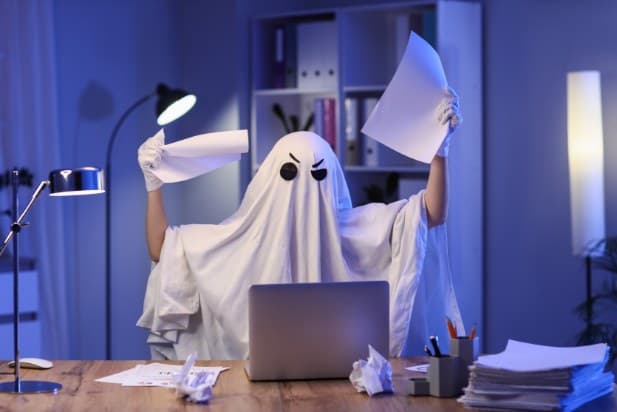

Halloween is a time of haunted houses, spooky stories, and things that go bump in the night. While most fears disappear when the lights come on, one workplace risk often remains hidden in plain sight: mental wellness.
For decades, workplace safety efforts focused primarily on physical hazards. Today, organizations are increasingly recognizing that employee wellbeing, mental wellness, and injury prevention are closely connected. The American Institute of Stress estimates workplace stress costs employers more than $300 billion annually through absenteeism, reduced productivity, and accidents. In addition, many employees report that workplace pressures affect their personal lives, demonstrating that wellbeing does not stop when the workday ends.
What Shapes Mental Wellness?
Mental wellness is influenced by more than what happens during a work shift. Workplace demands, changing responsibilities, organizational uncertainty, interpersonal relationships, and workload expectations can all play a role. At the same time, employees may be balancing caregiving responsibilities, financial pressures, health concerns, family obligations, or major life changes outside of work.
These factors rarely occur in isolation. Instead, they accumulate over time and can affect resilience, concentration, communication, and overall wellbeing. Because of this, many organizations are adopting a more holistic approach to employee health and safety that recognizes employees as whole people rather than simply workers performing tasks.
Creating a Culture Where Employees Can Thrive
Organizations can play an important role in supporting mental wellness. Training leaders to recognize signs of distress, promoting healthy work-life boundaries, managing fatigue, encouraging open communication, and providing access to support resources can all contribute to a healthier workplace.
Research shows employees increasingly expect employers to support mental wellbeing. According to the 2024 NAMI Workplace Mental Health Poll, 74% of employees believe it is appropriate to discuss mental health concerns at work, yet only 58% feel comfortable sharing their own mental health challenges. Additionally, 83% of employees reported that mental health and wellbeing training is important for creating a positive workplace culture. These findings highlight the opportunity for organizations to reduce stigma and foster environments where employees feel safe seeking support.
This broader view of employee wellbeing is not new. The National Institute for Occupational Safety and Health (NIOSH) has promoted a holistic approach through its Total Worker Health® initiative since 2003, recognizing that worker safety, health, and wellbeing are closely connected. Rather than treating physical safety and wellness as separate efforts, the Total Worker Health® framework encourages organizations to integrate both, creating work environments that support employees both on and off the job.
While physical hazards are often easy to identify, mental wellness challenges can remain hidden beneath the surface. Creating an environment where employees feel supported, connected, and comfortable seeking help can make a meaningful difference in both wellbeing and workplace performance.
Taking the Mask Off Mental Wellness
This Halloween, remember that some of the most significant workplace risks are not always visible. Mental wellness affects every employee differently and can change throughout their career. By understanding the mental wellness spectrum, recognizing the factors that shape wellbeing, and fostering a supportive culture, organizations can help employees move from surviving to thriving. Sometimes the most effective step an organization can take starts with a simple question: How are you doing?
More for You
Recent Blog Posts
Preventing Injury from Heavy Equipment in Many Industries
Anna Hooper, Safety Management Consultant, CSP, WCP®
October 14
- Construction
- Logging and Forestry
- +1

Heavy equipment hazards are often associated with construction and excavation projects. However, many organizations outside of traditional construction industries regularly encounter heavy equipment exposures that can be overlooked.
Speaking Up for Safety During Hospitality Events
Zach Phelan, Loss Control Consultant II, GSP, WCP®
September 24
- Hospitality
- Young Workers

From lifting heavy equipment to navigating crowded event spaces, young hospitality workers face a variety of safety challenges during the busy fall event season. Discover practical ways employees and supervisors can work together to prevent injuries before they happen.
Reducing Slip, Trip, and Fall Risks in Schools
Jayson Hebert, Safety Management Consultant, WCP®
September 2
- Education and Schools
- Slips Trips and Falls
- +1

Very soon faculty, staff, and students will be returning to schools across the country as they prepare for another year of learning. Schools are busy environments where students, employees, and visitors are constantly on the move. And, while much attention is focused on student safety, the leading causes of workplace injuries for school employees continue to be slips, trips, and falls.
Stay Connected
Sign up and we'll keep you posted on upcoming events, news, and more.
- Expert Safety Advice
- Company News
- Community Impact Stories