How to Deliver Safety to the Loading Dock Environment
Heavy freight, temporary trailers, mobile equipment, and hurried personnel with variable training combine to make loading docks uniquely hazardous. Shipping and receiving personnel must be alert and properly trained in material handling and equipment operations to avoid these threats.
- Manufacturing
- Transportation and Warehousing
- Retail
- Driving
- OSHA Compliance
- Outdoor Safety
- Slips Trips and Falls
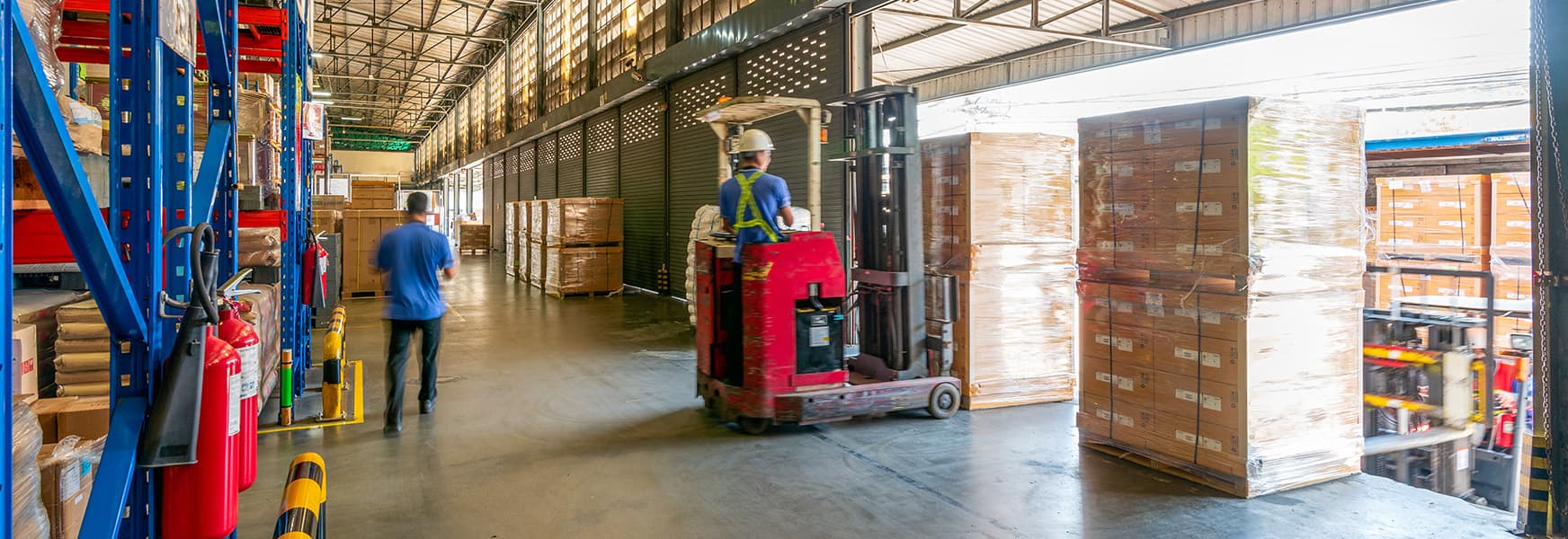
While loading docks typically provide sufficient space to handle freight safely, they can sometimes be a hazardous place for workers. As material is moved for shipping and receiving, limited time and productivity demands can lead to accidents. Loading dock personnel and those not directly involved in these operations must be alert for hazards.
OSHA’s most recent data estimates 35,000 to 62,000 injuries occur annually from forklifts. In 2021, OSHA investigated 15 loading dock accidents with 12 resulting in fatalities. Slips, trips, and falls, including falls from the dock edge, are the most frequent injuries reported around loading docks. Being crushed between trucks and docks is the leading cause of worker fatalities.
Root causes of incidents include lack of training, poorly defined procedures, and human error. Other common hazards and controls are as follows:
Loading dock hazards:
- Slips, trips, and falls caused by poor dock conditions, including lack of housekeeping, uneven or broken flooring, open dock edges, and insufficient lighting
- Uncontrolled movement of mobile equipment around docks and pedestrians, causing potential for struck-by or crush injuries
- Increased fall risk from unsecured or improperly used dock plates that leave large, unguarded openings
- Unsecured freight that causes struck-by incidents
- Open dock doors and unguarded edges responsible for falls from height or forklift rollover
- Poor condition of trailer floors that people and equipment can fall through
- Lack of safety training specific to loading docks
Loading dock hazard controls:
- Develop formal loading dock safety policies and training and include all personnel who will be in the area.
- Utilize wheel chocks, or barrier vehicle restraint systems, to prevent trailer creep.
- Clearly define the loading dock area and designate safe walking zones with signage and high-visibility paint.
- Use colored lights to signal when it is safe for material handling equipment or personnel to enter loading dock areas.
- Utilize physical barriers along dock edges when not in use to prevent accidental falls. (OSHA requires fall protection on any dock higher than 48 inches.)
- Properly secure loose freight by shrink-wrapping or banding loads.
- Ensure workers are trained in loading dock material handling equipment operation.
- Inspect the trailer floor to ensure it will support the forklift and load.
- Train workers on the proper inspection and use of dock plates or ramps.
- Provide adequate lighting in the loading dock area and in trailers.
- When backing out of trailers, sound the forklift horn and check for workers in the area.
Though this list may seem daunting, remember that your MEMIC safety management consultant is available to help you identify workplace-specific hazards and assist you in prioritizing changes to improve safety and protect your employees.
Other Resources:
- MEMIC Safety Director: MEMIC Safety Minute, Loading Dock Safety – Forklifts
- OSHA - Powered Industrial Truck E-Tools
- OSHA - Loading and Unloading
- OSHA Warehousing - Hazards and Solutions
More for You
Recent Blog Posts
Preventing Injury from Heavy Equipment in Many Industries
Anna Hooper, Safety Management Consultant, CSP, WCP®
October 14
- Construction
- Logging and Forestry
- +1

Heavy equipment hazards are often associated with construction and excavation projects. However, many organizations outside of traditional construction industries regularly encounter heavy equipment exposures that can be overlooked.
Speaking Up for Safety During Hospitality Events
Zach Phelan, Loss Control Consultant II, GSP, WCP®
September 24

From lifting heavy equipment to navigating crowded event spaces, young hospitality workers face a variety of safety challenges during the busy fall event season. Discover practical ways employees and supervisors can work together to prevent injuries before they happen.
Reducing Slip, Trip, and Fall Risks in Schools
Jayson Hebert, Safety Management Consultant, WCP®
September 2
- Education and Schools
- Slips Trips and Falls
- +1

Very soon faculty, staff, and students will be returning to schools across the country as they prepare for another year of learning. Schools are busy environments where students, employees, and visitors are constantly on the move. And, while much attention is focused on student safety, the leading causes of workplace injuries for school employees continue to be slips, trips, and falls.
Stay Connected
Sign up and we'll keep you posted on upcoming events, news, and more.
- Expert Safety Advice
- Company News
- Community Impact Stories